Introduction
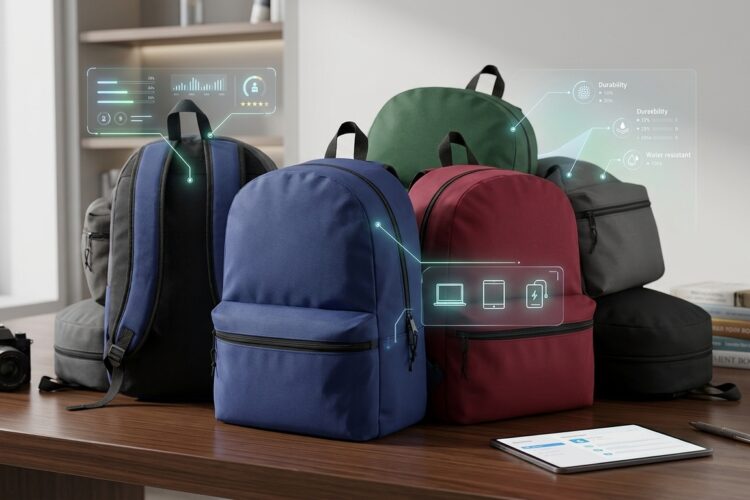
When it comes to equipping students with essential school supplies, backpacks represent one of those items that span the gap between practical necessity and personal choice. Whether you’re a school administrator looking to outfit a classroom set of supplies, a parent coordinating with other families, or an organization preparing care packages for students, bulk backpack purchases offer a streamlined approach to solving a recurring need.
The 17-inch backpack size has become something of a standard for student use, accommodating everyone from elementary school children to high school teenagers. Unlike one-size-fits-all approaches, purchasing backpacks in bulk with assorted colors provides flexibility while maintaining consistency in quality and function. This guide explores what these bulk offerings entail, who might find them useful, and what factors deserve consideration when evaluating whether this option aligns with your specific needs.
The decision to buy backpacks in bulk extends beyond simple logistics. It involves understanding sizing, evaluating durability standards, considering comfort features, and recognizing how different student age groups have varying requirements. This article breaks down these elements to help you make an informed decision about whether bulk 17-inch backpacks represent a suitable solution for your situation.
Understanding the 17-Inch Backpack Dimension
Before diving deeper into bulk purchasing, it helps to understand what the 17-inch measurement actually refers to and why this size has become popular for student use.
The 17-inch specification typically describes the height of the backpack when measured from the bottom to the top. This dimension places the backpack squarely in the middle ground of available sizes—larger than compact daypacks but smaller than full-sized travel backpacks. For students spanning elementary through high school ages, this size offers sufficient capacity for daily school materials while remaining proportional to different body frames.
A 17-inch backpack generally provides enough space to accommodate textbooks, notebooks, folders, laptops or tablets, lunch containers, and personal items like water bottles and small electronics. The internal volume typically ranges from 25 to 30 liters, which represents adequate space for most school day requirements without becoming unnecessarily bulky.
The height measurement also matters for ergonomic considerations. A backpack that’s too large can extend too far below the waist, creating strain on the lower back. A pack that’s too small might sit too high and feel cramped. The 17-inch size works across a reasonably broad range of student heights, though individual fit still matters based on body proportions and posture.
Key Features Found in Bulk 17-Inch Backpack Offerings
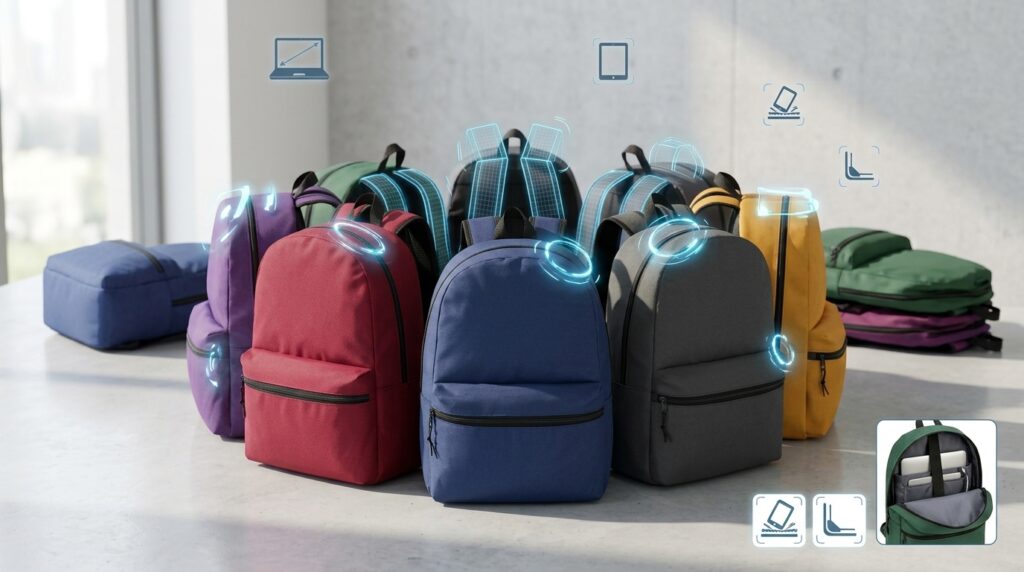
When backpacks are sold in bulk quantities with assorted colors, manufacturers typically maintain consistent feature sets across units. Understanding what these features typically include helps establish expectations.
Compartment Organization
Most 17-inch student backpacks include multiple compartments designed to help users organize different categories of items. A typical configuration might feature a main compartment for larger items like textbooks and binders, a front zippered pocket for frequently accessed items like pens and keys, and side pockets for water bottles or umbrellas. Some models include dedicated laptop sleeves or tablet pockets, though this varies by specific product.
The organizational approach matters more than the number of pockets alone. A backpack with thoughtful compartment placement allows students to locate items quickly without dumping everything out onto a desk. This becomes particularly relevant in school environments where transitions between classes or activities require efficient access to materials.
Material Construction
Backpacks intended for bulk student use typically employ durable synthetic materials such as polyester or nylon. These materials resist fraying, dry quickly if exposed to moisture, and withstand the wear and tear associated with daily school use. The material choice reflects a balance between durability and cost considerations—bulk purchases often optimize this trade-off differently than premium individual backpacks.
Seam quality and reinforcement at stress points like corners and attachment points contribute significantly to longevity. Backpacks designed for durability include reinforced stitching at areas where fabric strain accumulates over time.
Carrying System Design
The straps and back panel of a backpack significantly influence comfort during extended wear. Quality backpacks for student use incorporate padded shoulder straps that distribute weight across a wider area rather than creating pressure points. A padded back panel provides both cushioning and some structural support.
The width of shoulder straps matters for comfort. Straps that are too narrow concentrate pressure, while appropriately sized straps distribute weight more evenly. Students wearing backpacks throughout an entire school day benefit from this attention to carrying comfort.
Color Variety
Bulk offerings with assorted colors provide practical benefits beyond aesthetics. Different colors help students identify their own backpacks in crowded hallways and common areas. From an organizational standpoint, colors can be assigned to different grades or groups, making inventory tracking simpler for schools or organizations making bulk purchases.
Color variety also acknowledges that student preferences vary. Rather than imposing a single color choice, assorted options allow some personalization within a coordinated purchase.
Practical Applications and Use Cases
The applications for 17-inch bulk backpacks extend across various educational and organizational contexts. Understanding these different scenarios helps illustrate the versatility of this approach.
School Supply Programs
Schools implementing uniform supply initiatives sometimes provide standard backpacks to all students in a grade level or building. This approach ensures all students have functional, appropriate-sized backpacks regardless of family circumstances. Purchasing in bulk reduces per-unit costs significantly compared to individual retail purchases, making this approach more financially feasible for school budgets.
Classroom Management
Teachers sometimes maintain classroom sets of backpacks for specific purposes. Some use them during field trips to ensure all students have a consistent way to carry materials. Others maintain sets for students who forget their backpacks or need temporary replacements due to damage.
Organization and Community Programs
Youth organizations, summer camps, after-school programs, and community centers often need to equip multiple participants with backpacks. Bulk purchases streamline this process and ensure consistent quality across all program participants.
Family Group Purchases
Families with multiple school-age children benefit from bulk purchasing options. Rather than buying individual backpacks for each child at different times, a coordinated bulk purchase can provide similar-quality packs for all children simultaneously. This approach works particularly well when a family has children spanning multiple grade levels.
Disaster Relief and Support Services
Organizations providing emergency support or transitional assistance to students sometimes include backpacks in care packages or supply kits. Bulk purchasing enables these organizations to equip larger numbers of beneficiaries efficiently.
Elementary, Middle, and High School Considerations
While a 17-inch backpack serves students across multiple grade levels, the specific ways different age groups use their backpacks varies considerably. Recognizing these differences helps determine whether bulk purchasing truly addresses varied needs or whether modifications might be necessary.
Elementary School Usage Patterns
Elementary students typically carry lighter loads than older students. Their backpacks might contain a few workbooks, take-home folders, lunch containers, and personal items like headphones or small toys. The 17-inch size provides ample capacity for this typical load without being oversized.
Elementary students also benefit from organizational features because they’re developing organizational skills. Clear compartments and accessible pockets help younger students develop habits of keeping materials organized. The slightly larger size compared to young children’s packs accommodates growth through multiple elementary years.
Middle School Transition
Middle school marks a transition toward increased responsibility and more complex organizational needs. Students begin carrying multiple textbooks, using lockers less, and managing assignments across different classes. The 17-inch backpack’s capacity becomes more relevant here, as students genuinely need space for multiple subjects’ materials.
Middle school students also become more conscious of personal appearance and style. The availability of different colors within a bulk purchase allows some personal preference while maintaining the benefits of coordinated bulk buying. This age group particularly benefits from ergonomic design since backpacks become daily companions.
High School Requirements
High school students often carry the heaviest loads, potentially including multiple textbooks, specialized equipment for classes like science labs, and technology like laptops. Some high school backpacks need to accommodate computers or tablets in protected compartments. For high school use, the 17-inch size reaches toward the upper end of what works comfortably, particularly for students with lighter builds.
High school students also vary more significantly in body size and proportions. A single backpack size works across this range less uniformly than for younger students. However, the 17-inch dimension still represents a reasonable middle ground for most high school users.
Who Might Find Bulk 17-Inch Backpacks Suitable
Determining whether bulk backpack purchases align with your specific situation involves considering your role and requirements.
School Districts and Educational Institutions
Schools considering standard-issue backpacks for all students or implementing specific grade-level supply programs represent a primary audience for bulk purchases. The cost savings and consistency benefits of bulk buying serve institutional needs effectively. Some schools use them as replacements for lost or damaged student-owned backpacks, maintaining a stock available for these situations.
Classroom Teachers
Individual teachers sometimes coordinate bulk purchases for specific purposes. A class field trip, science camp, or special program might benefit from having matching backpacks available. Teachers also appreciate the ability to purchase consistently-sized packs for classroom use.
Youth Organizations
Camps, after-school programs, scouting organizations, mentoring programs, and similar groups frequently outfit participants with standard backpacks. Bulk purchasing ensures everyone has appropriate equipment and creates a sense of group identity through coordinated gear.
Nonprofit and Community Organizations
Nonprofits serving students, particularly those providing emergency assistance or support services, often include backpacks in supply kits. Organizations supporting foster youth, homeless students, or families experiencing transitions find bulk purchasing efficient for equipping multiple beneficiaries.
Parent Cooperatives and Group Purchases
Groups of parents sometimes coordinate bulk purchases to achieve lower costs than individual buying. Homeschool groups, cooperative learning programs, or neighborhood groups of families might organize collective purchases.
Corporate and Institutional Programs
Companies, universities, and institutions implementing employee or student support programs sometimes include backpacks in welcome packages or support initiatives. Bulk purchasing makes these programs logistically simpler.
Important Considerations Before Purchasing
While bulk backpack purchases offer clear advantages in certain situations, several factors deserve careful evaluation before committing to this approach.
Sizing Across Age Groups
A single backpack size doesn’t fit every individual identically. While 17 inches works across a range of student ages, body proportions vary considerably. Very small elementary students might find the pack slightly large, while larger high school students might find it snug. Consider whether your specific group falls within the optimal size range or if individual variations create significant issues.
Durability and Quality Standards
Backpacks marketed for bulk purchase often optimize cost rather than premium durability. This doesn’t automatically indicate poor quality, but recognizing that bulk offerings typically represent middle-of-the-road durability helps set appropriate expectations. A backpack intended for one school year might not survive multiple years of use without issues.
Color Preferences and Practicality
While assorted colors offer variety, some recipients might receive colors they genuinely dislike. For voluntary bulk purchases involving multiple individuals, building in some choice or ensuring that color selection accounts for preferences improves satisfaction. Some colors also show dirt and wear more visibly than others, affecting how “new” the backpacks appear after a few weeks of use.
Storage and Logistics
Receiving, sorting, and distributing bulk quantities of backpacks requires physical space and organizational effort. If you’re coordinating a large purchase, ensure you have adequate storage space before delivery and a clear distribution plan for getting packs to their intended recipients.
Individual Needs and Accommodations
Some students require special accommodations in backpack design. Students with back problems, mobility issues, or other specific needs might need backpacks tailored to their requirements. A standardized bulk purchase might not address these individual needs, requiring supplementary or alternative solutions.
Long-Term Usage Expectations
Consider how long you expect these backpacks to remain in use. If they’re intended for one school year, moderate durability expectations are reasonable. If they need to serve multiple years or multiple students, more robust quality becomes important, potentially affecting the appropriate bulk source.
Comparing Backpack Categories: Understanding Options
Backpacks exist across a spectrum of types, each designed for different purposes. Understanding how 17-inch student backpacks compare to other categories provides context for their role in your decision-making.
Daypack Backpacks
Daysacks or daypacks—typically ranging from 15 to 25 liters—are designed for short outings rather than daily school use. These smaller packs suit brief activities, hiking, or travel more than they suit carrying a full school day’s worth of materials. The 17-inch school backpack, with its 25 to 30-liter capacity, provides noticeably more space than these smaller alternatives.
Rolling Backpacks and Wheeled Bags
Some students use rolling bags instead of shoulder-strap backpacks, particularly those carrying particularly heavy loads or those with back concerns. These bags roll on wheels rather than requiring the user to carry weight. However, rolling bags don’t work in all school environments—stairs, crowded hallways, and buses create challenges. Rolling bags also don’t suit outdoor activities or situations requiring hands-free carrying.
Laptop and Tech-Specific Backpacks
Backpacks designed specifically for carrying computers and electronics include protective padding and specialized compartments for tech devices. These often cost more than standard student backpacks. General-purpose 17-inch student backpacks sometimes include laptop sleeves but aren’t optimized specifically for expensive technology.
Premium or Specialty Backpacks
High-end backpack brands emphasize durability, innovative organization, and premium materials. These backpacks often feature advanced ergonomic designs, waterproofing, and construction techniques supporting extended durability. The cost per unit significantly exceeds bulk student backpacks, making premium options unsuitable for large-scale institutional purchases, though they work well for individual consumers prioritizing longevity.
Messenger Bags and Sling Packs
Alternative carrying options like messenger bags and crossbody sling packs distribute weight differently than traditional backpacks. Some students prefer these styles, particularly as they get older. However, these alternatives don’t suit everyone and aren’t appropriate for all activities.
Frequently Asked Questions About Bulk 17-Inch Backpacks
What exactly does the 17-inch measurement represent?
The 17-inch dimension refers to the height of the backpack when measured from the lowest point of the base to the highest point of the top. This measurement doesn’t account for capacity in liters, width, or depth—it’s specifically a height dimension. Backpacks with the same height measurement might have slightly different capacities depending on their width and depth proportions.
Are 17-inch backpacks appropriate for all elementary school students?
The 17-inch size works well for most elementary students in grades three through five, though very young students (kindergarten and first grade) might find them slightly oversized. For the youngest students, smaller backpacks sometimes fit proportions better. By upper elementary, most students find 17-inch packs appropriately sized.
Can high school students comfortably carry 17-inch backpacks?
Yes, most high school students can use 17-inch backpacks comfortably. However, larger students might find the pack on the smaller end of the suitable range, particularly if carrying heavy textbook loads. Students with broader builds might also find 17-inch packs slightly narrow. For most high school students, these backpacks work adequately, though some prefer larger sizes.
How do I determine how many backpacks to purchase for my group?
Calculate the number of intended recipients and add a small percentage (typically 5 to 10 percent) for extras or replacements. If ordering for a school, you might order one per student plus some extras for replacements and for new students enrolling mid-year. For organizations, calculate total participants and add a contingency percentage.
What should I look for regarding seam quality in bulk backpacks?
Examine where fabric connects to attach handles, where different materials meet, and where pockets attach to the main body. Quality backpacks use consistent stitching that doesn’t look loose or irregular. Reinforced areas—places where stress concentrates—should show double or triple stitching. Loose threads or uneven stitching suggest lower-quality construction.
Are bulk backpacks waterproof or water-resistant?
Most bulk student backpacks use water-resistant materials but aren’t fully waterproof. Water-resistant synthetic fabrics shed light rain or brief water exposure but don’t withstand prolonged submersion. If you need waterproof capability, look specifically for waterproof zippers and sealed seams, which bulk student packs often lack.
What’s the typical weight capacity of a 17-inch student backpack?
Most 17-inch student backpacks are designed for loads up to 15 to 20 pounds, though quality and construction affect actual capacity. This weight range accommodates typical school materials (textbooks, folders, lunch containers, personal items) but isn’t intended for extremely heavy loads or extended hiking trips.
Can I wash or clean bulk backpacks easily?
Most synthetic backpack materials allow spot cleaning with mild soap and water. Some backpacks are machine-washable in gentle cycles, though checking manufacturer instructions is important. Hand washing or spot cleaning generally preserves backpack condition better than machine washing, which can stress seams and zippers.
How do I handle color distribution when ordering assorted colors?
Specify your color preference distribution when ordering if possible. Some bulk sellers allow requests for specific ratios—for example, requesting a certain percentage of each color. If the seller doesn’t offer this option, contact their customer service to explain your needs.
Do bulk backpacks include warranties or guarantees?
Most bulk student backpacks include limited manufacturer warranties covering defects in materials or workmanship. The specifics vary by product and seller. Bulk purchases sometimes have different warranty terms than individual retail purchases, so clarify these details before ordering.
What’s the difference between bulk backpack pricing models?
Some sellers offer tiered pricing, with lower per-unit costs for larger quantities. A purchase of 50 units might have a different per-unit cost than a purchase of 100 units. Understanding the pricing tiers available helps determine the most economical order quantity for your situation.
Are returned or defective backpacks easily replaced?
Return and replacement policies for bulk purchases typically differ from individual retail purchases. Clarify the process for reporting defects and obtaining replacements before ordering. Some sellers have minimum timeframes for reporting defects and may have specific procedures for bulk order replacements.
Can backpacks be personalized or customized with names or logos?
Some bulk sellers offer customization options like embroidery or printing for additional fees. If branding or personalization is important for your organization, inquire about these services and associated costs. Customization typically requires larger minimum orders and longer lead times.
Making a Thoughtful Decision
Evaluating whether 17-inch bulk backpacks suit your needs requires honest assessment of your specific situation. Consider the number of students or participants, your budget constraints, storage capabilities, timeline, and whether individual accommodation needs exist within your group.
Bulk backpack purchases make particular sense when you need multiple units for an institution or organization, when cost savings justify the commitment to a single size and style, and when the group falls within the appropriate age and size range for 17-inch packs.
These backpacks work less well if your group includes very young or very large individuals for whom the size doesn’t fit well, if individual preferences are paramount and customization isn’t possible, or if durability requirements exceed what bulk student-grade backpacks typically provide.
Take time to review specifications, understand the material construction, evaluate the carrying system design, and confirm sizing appropriateness for your group. Reading detailed product descriptions and, when possible, examining product images or reviews from other bulk purchasers provides valuable perspective.
Conclusion
The 17-inch bulk backpack with assorted colors represents a practical solution for organizations, institutions, and groups needing to equip multiple students with appropriate carrying gear. The size works across elementary, middle, and high school age ranges, providing adequate capacity for typical school day materials while remaining proportional to student frames.
Understanding the features typically included in bulk offerings, recognizing how different age groups use backpacks, and honestly evaluating whether bulk purchasing aligns with your specific situation enables informed decision-making. While bulk backpacks rarely represent premium quality, they offer functional performance at economical price points suitable for institutional and group purchases.
The assorted color options provide both organizational benefits and some personal preference accommodation, creating a middle ground between complete standardization and full individualization.